
French Drain Installation in Cherry Hill, NJ
Cherry Hill’s marl clay soil holds water against your foundation instead of draining it away. A properly built French drain interrupts that pressure at the source — here’s exactly how we do it, and what it costs.
- Licensed & insured in New Jersey
- Serving Cherry Hill, Voorhees, Haddonfield & Camden County
- Written, itemized estimates — no surprise scope changes
What Is a French Drain, and How Do I Know If My Yard Needs One Installed?
A French drain is a trench filled with gravel or stone, containing a perforated pipe, that collects groundwater and subsurface moisture and redirects it by gravity to a lower discharge point — away from your foundation, a storm drain, or a dry well. Unlike a surface drain, it works below ground, intercepting water in the soil before it ever reaches your basement walls or floods your yard. It’s one part of a complete basement waterproofing approach for Cherry Hill homes.
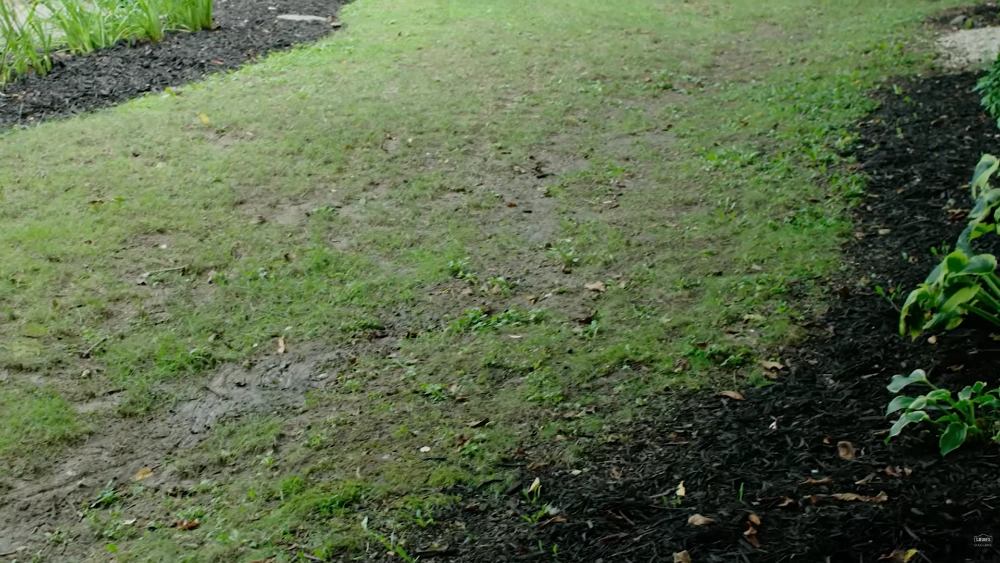
You likely need one if you notice water pooling in your yard for more than a few hours after rain, ground that feels spongy underfoot, damp basement walls without a visible crack, a musty smell that keeps returning, or a sump pump that runs constantly during storms instead of cycling normally. Two or more of these together usually means the water table around your home is higher than your foundation can handle without help.
Why Drainage Works Differently in Cherry Hill
Basement flooding here isn’t random. It comes down to what’s under the ground, and knowing why helps explain why the right fix matters.
Marl Clay Soil & Hydrostatic Pressure
Cherry Hill sits almost entirely on a marl clay deposit that holds water rather than letting it drain through. As the ground stays saturated, it pushes outward — hydrostatic pressure — forcing water through hairline cracks and wall-floor joints.
Flat Topography
Much of the township has minimal natural slope, so gravity-fed discharge often isn’t an option. Most Cherry Hill French drain systems tie into a sump pump for pumped discharge rather than relying on fall alone.
Cooper River & Aging Housing Stock
Neighborhoods near the Cooper River, including Barclay Farm and Ellisburg, see elevated seasonal water tables. Add homes built in the 1950s–70s with settled grading, and original drainage no longer keeps pace with today’s storms.
Warning Signs Cherry Hill Homeowners Shouldn’t Ignore
Basement water problems rarely start as flooding — they start small and escalate. Here’s what to watch for.
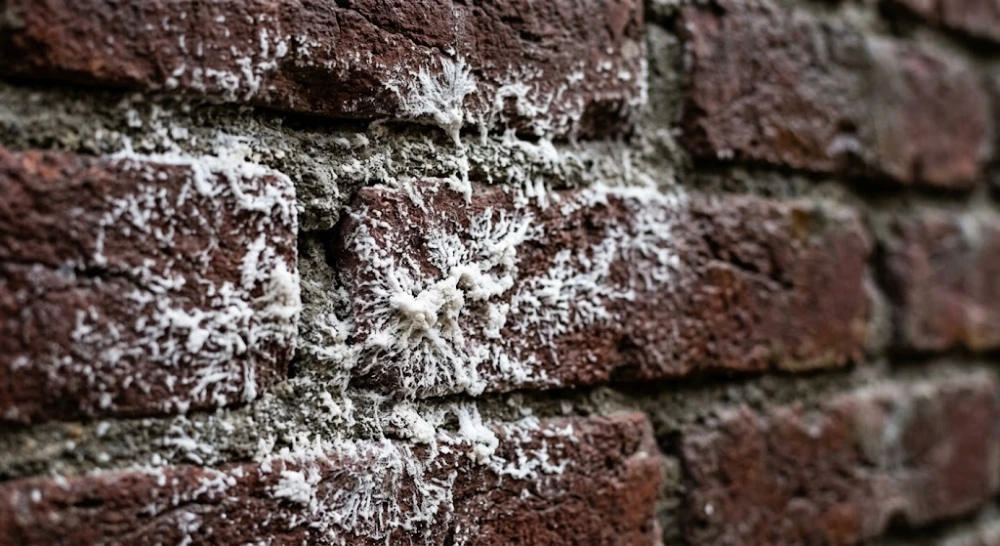
Efflorescence
A white, chalky mineral deposit on basement walls, left behind when water moves through your foundation and evaporates — even without visible standing water.
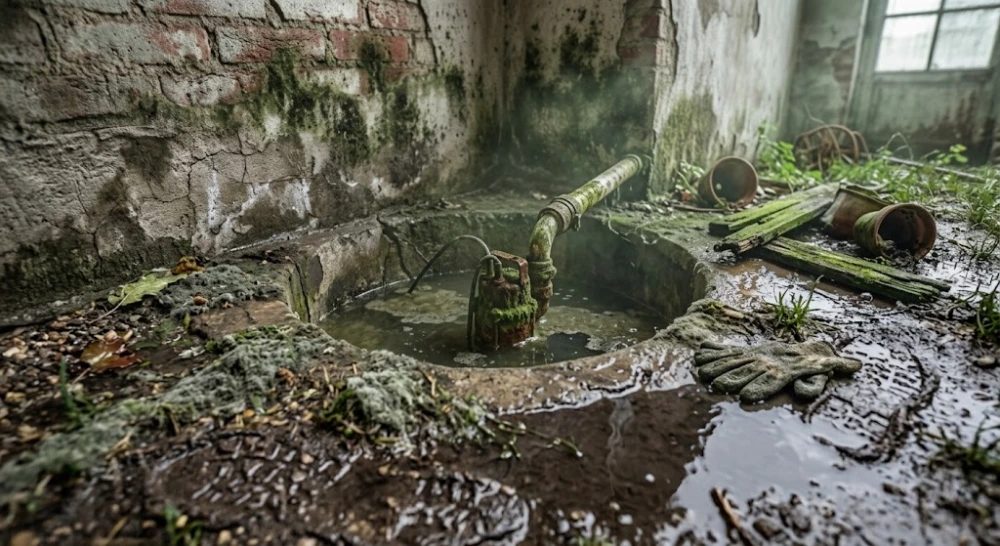
Musty Odor
Usually the first indicator of elevated basement humidity, often showing up well before mold becomes visible anywhere in the space.
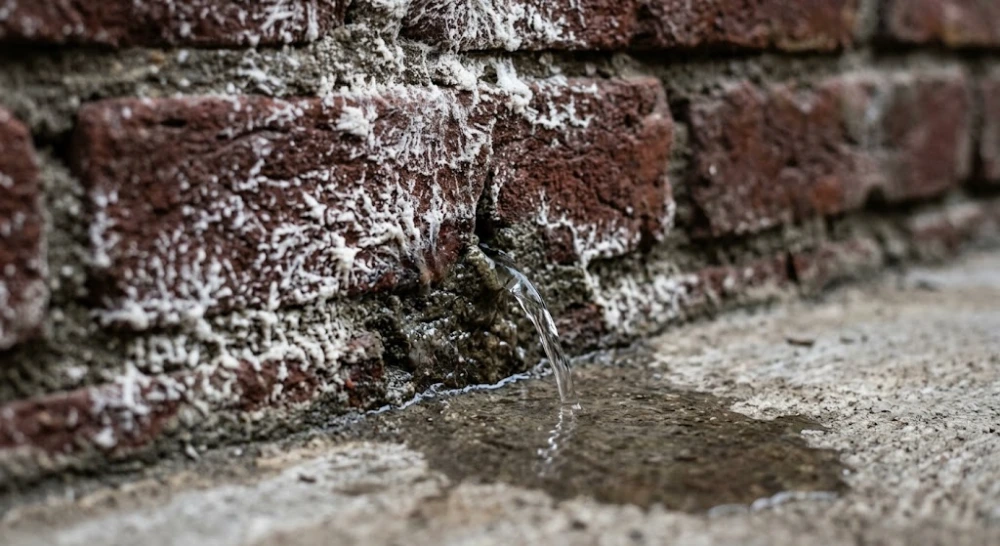
Wall-Floor Joint Seepage
A thin line of water where your basement wall meets the floor — one of the most common entry points in homes with aged or settled joints.
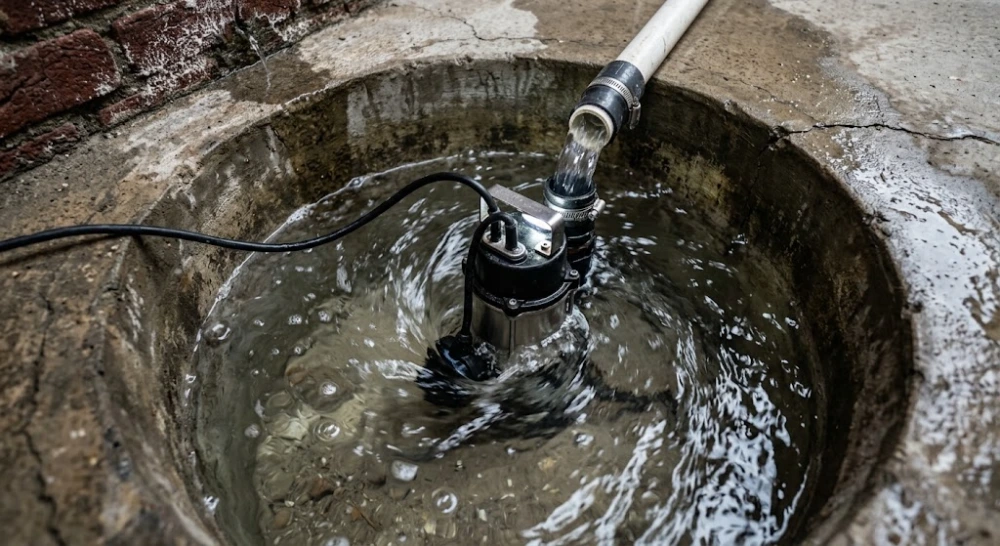
Sump Pump Running Constantly
A pump that cycles nonstop during storms instead of intermittently usually means it’s being overwhelmed, not simply doing its job.
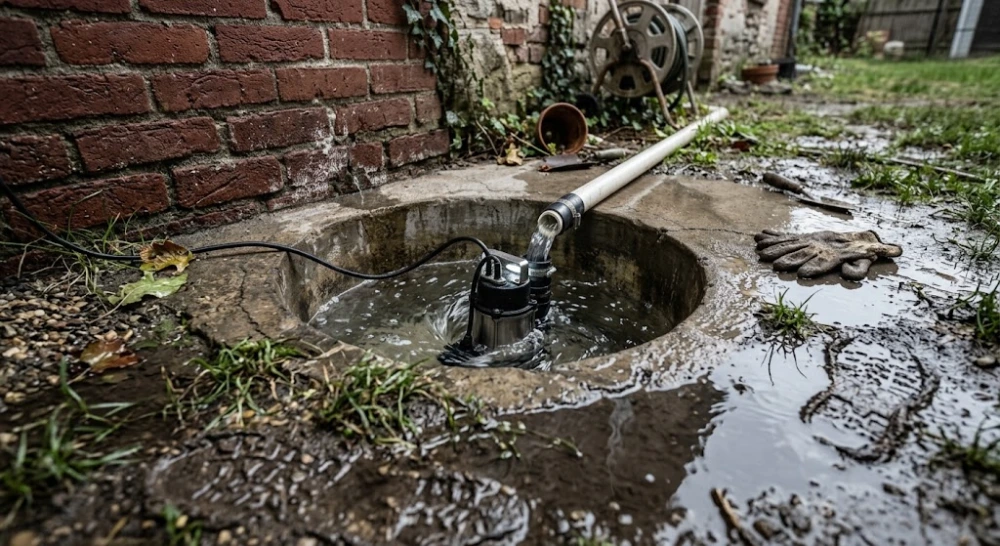
Standing Water in the Yard
Water that pools for hours or days after rain, or ground that feels spongy underfoot, points to a subsurface drainage problem, not just a surface one.
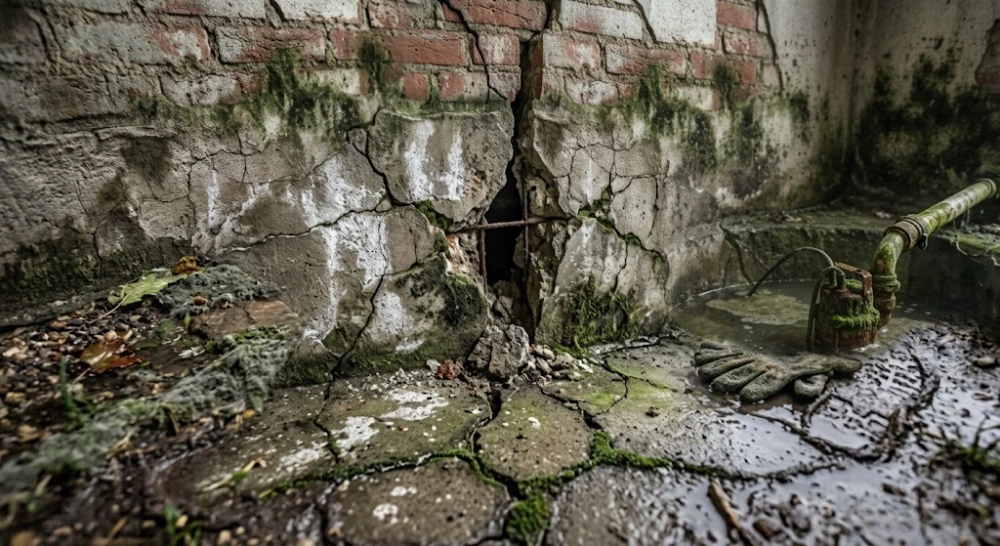
Cracks in Foundation Walls
Cracks driven by hydrostatic pressure widen over time. Left alone, what starts as a hairline crack becomes a structural repair, not a drainage fix.
Basement moisture that isn’t addressed creates the conditions mold needs to grow. Mold exposure is documented to trigger upper respiratory symptoms in otherwise healthy people, and to worsen symptoms for anyone with asthma or allergies — children and older adults are typically the most sensitive. Basement air circulates through the rest of the house, so the people affected aren’t only the ones spending time downstairs.
What Is the Difference Between a Surface Drain and a French Drain?
These two systems solve different problems and get confused constantly — worth clearing up before you spend money on the wrong one.
Removes water sitting on hardscape
Uses a grate set into a patio, driveway, or pool deck, connected to solid, non-perforated pipe. It only removes water sitting on top of a hard surface during a storm — it does nothing for water that has already soaked into the surrounding soil.
Intercepts water in the ground
Uses perforated pipe buried in a gravel-filled trench. Water percolates through the soil into the gravel bed, then up into the pipe through downward-facing holes, and travels to a discharge point — addressing water that actually threatens a foundation.
Many Cherry Hill properties need both: a surface drain for a patio or driveway low point, and a French drain along the foundation or through a chronically wet section of yard. Neither replaces the other.
Interior, Exterior, Yard & Driveway French Drains
“French drain” gets used as a catch-all term, but the right system depends entirely on where your water problem starts.
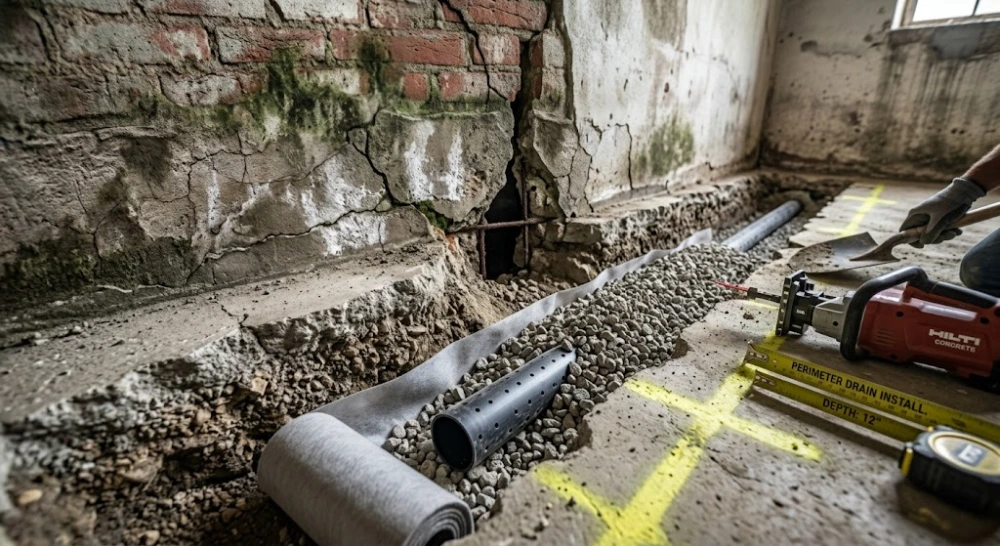
Interior French Drain
Installed along the inside perimeter of a basement floor. Usually the least invasive option when exterior excavation isn’t practical — common on Cherry Hill lots with tight side-yard access.
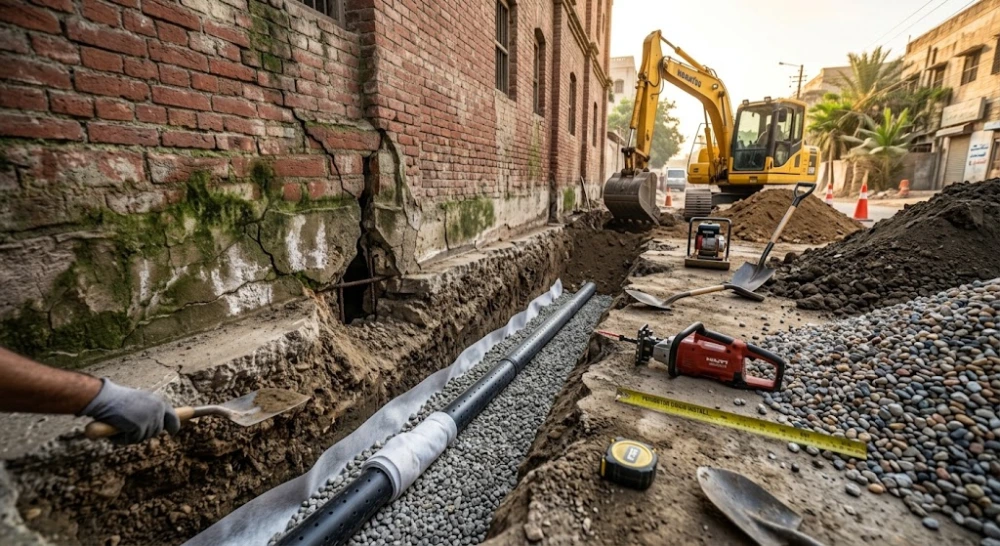
Exterior French Drain
Excavated down to the footing along the outside of the foundation, typically paired with a waterproof membrane. Addresses the water source directly without disturbing a finished basement interior.
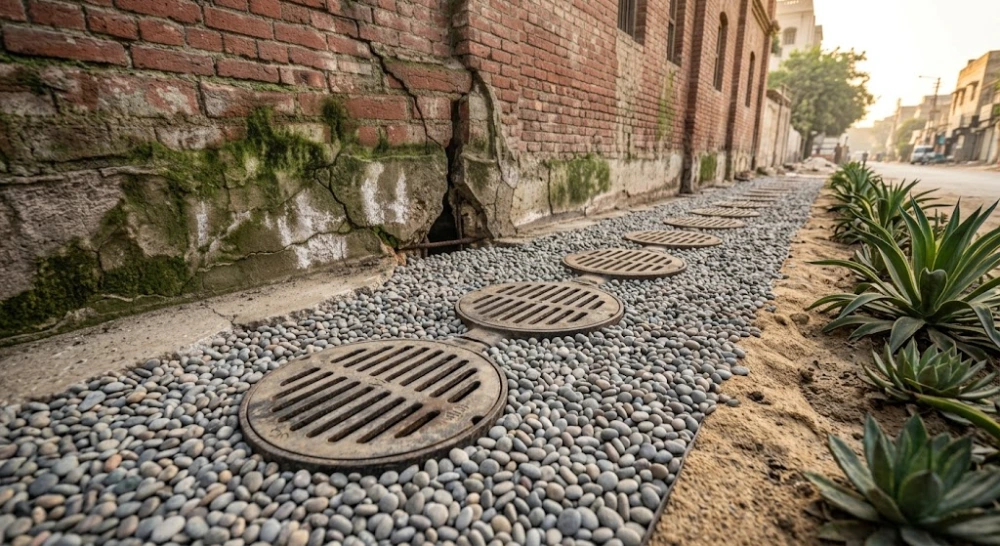
Yard French Drain
Intercepts surface and subsurface water before it reaches the house — used for chronic puddling in low spots, or branched systems tying several wet areas into one discharge point.
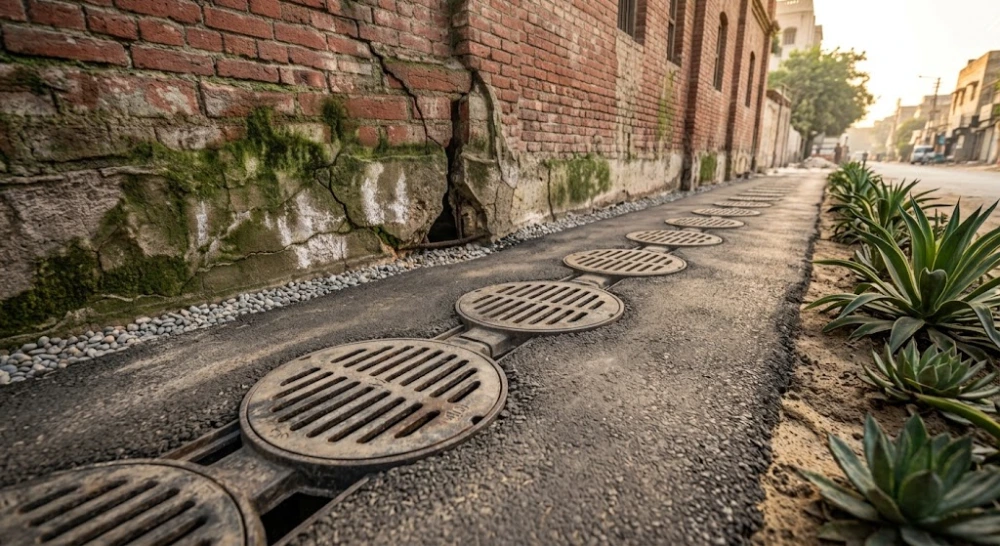
Driveway French Drain
A trench or channel system run alongside or across a driveway to catch runoff before it sheets toward the garage or foundation — common where a driveway slopes toward the house.
If you’re not sure which applies to you, that’s exactly what a site assessment is for — the wrong system for your water source won’t fix the problem, no matter how well it’s installed.
Proper Way to Lay a French Drain to Prevent Basement Flooding
A French drain only works as well as it’s built. This is worth knowing even while comparing quotes, since shortcuts here are exactly what causes systems to fail years later.
Assessment
We evaluate your soil, existing grade, water table depth, and where water is actually originating — not just where it shows up.
Trenching
Standard trench dimensions run roughly 9–12 inches wide and about 12 inches deep, adjusted for your foundation footing and available fall.
Geotextile fabric
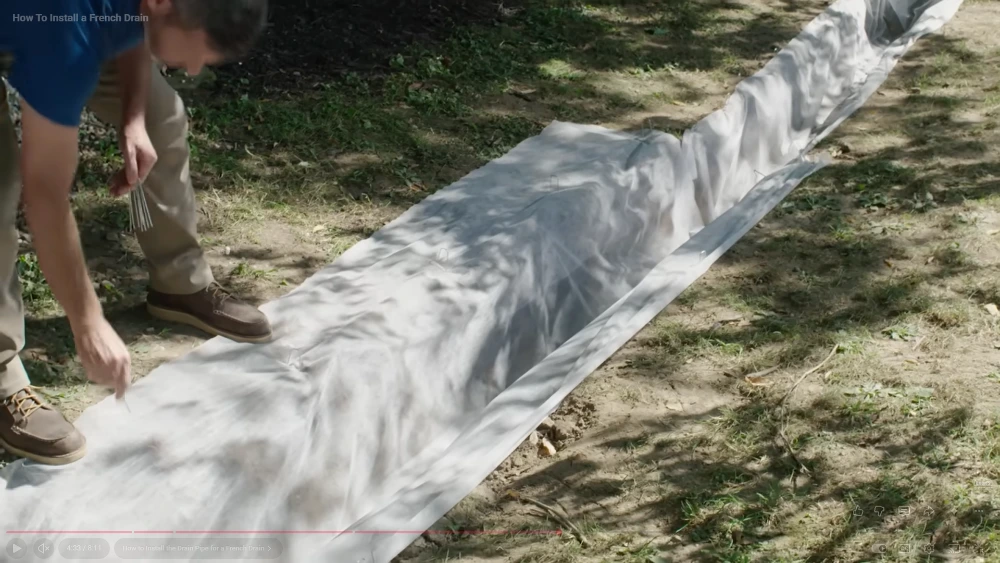
The trench is lined with non-woven fabric that lets moisture through while keeping fine soil out of the gravel bed — a step cheap installs often skip.
Gravel base
A clean gravel base — ideally 7/8-inch drain rock, since smaller stone clogs more easily — goes down before the pipe is set.
Perforated pipe placement
Pipe is laid with perforations facing downward — counterintuitive, but correct: water percolates up from the saturated gravel into the pipe.
Slope verification
Checked continuously for consistent downhill slope. On Cherry Hill’s flat lots, inadequate fall is the single most common reason a French drain underperforms.
Backfill and fabric closure
Gravel fills the trench, and fabric is folded over the top — not fully wrapped around the pipe, which traps sediment and causes clogging.
Discharge connection & restoration
The system ties into a sump pump, dry well, or daylight discharge, and any disturbed lawn is restored.
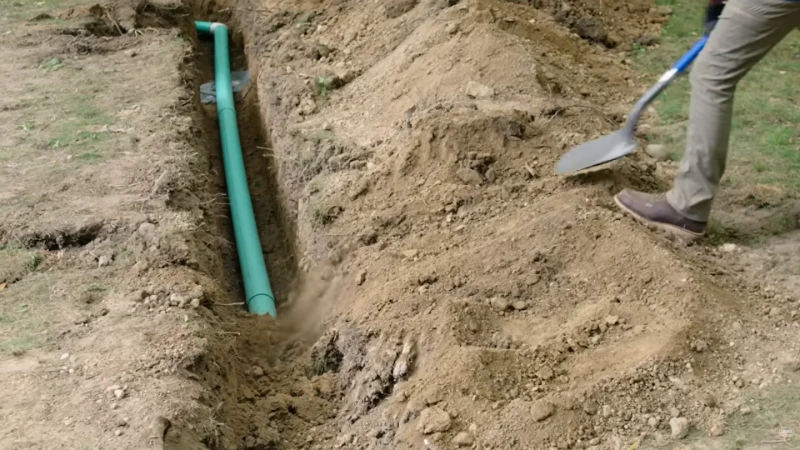
How Do You Decide How Deep to Dig a French Drain (Retrofit)?
Depth for a retrofit is determined by three things: how deep your foundation footing sits, how much natural fall exists between the problem area and your discharge point, and how deep the water source actually is. A standard yard French drain runs about 12 inches deep. An exterior foundation drain needs to reach the footing itself, which on many Cherry Hill homes built between the 1950s and 1980s means excavating several feet. This is measured on-site with a level, not a fixed number that applies to every yard.
What Are the Advantages and Disadvantages of French Drains?
Advantages: French drains address the actual source of water intrusion rather than masking symptoms, require very little ongoing maintenance once installed correctly, and work continuously in every season with no moving parts. Disadvantages: installation is disruptive during the project itself, upfront cost is higher than a simple surface fix, and performance depends heavily on installation quality — skipped steps like undersized gravel or fully-wrapped filter fabric are the most common causes of failure.
Is It Better to Install a French Drain or Just Dig a Small Ditch?
A ditch or swale can be adequate for minor, purely surface-level runoff — water sitting on top of the ground that never soaks in enough to threaten a foundation. It does nothing for water that has already saturated the soil or is building hydrostatic pressure against a wall. Given Cherry Hill’s marl clay soil, most yards that look like a “ditch problem” from the surface are actually a subsurface problem underneath. If there’s any basement dampness or wall staining involved, a French drain is the more reliable long-term answer.
How Effective Are French Drains?
When installed correctly, French drains are one of the most reliable, lowest-maintenance drainage solutions available, and the method has been in continuous use since the 1800s. Most reported failures trace back to installation shortcuts — undersized gravel, filter fabric fully wrapped around the pipe, inadequate slope, or pipe laid with perforations facing the wrong direction — rather than a flaw in the concept itself. A correctly built system will run passively for decades with only occasional inspection of the outlet and any connected sump pump.
Should I Install Drainage Before Putting Down Pavers?
Yes, if there’s any indication of poor drainage on the site already — standing water, soggy soil, or a low spot where the patio or driveway is planned. Clay soil that isn’t properly drained cycles between saturated and dry with the seasons, and that expansion and contraction is what causes pavers and patios to sink, heave, or shift over time. Installing drainage during the design and grading phase costs less than excavating around a finished hardscape installation later.
What Can I Do to Prevent My Backyard From Flooding?
Start with the basics: confirm downspouts extend several feet from the foundation, check that your yard slopes away from the house, and clear gutters that could be overflowing during storms. If water still pools for hours or days after rain once those are addressed, or the ground stays spongy well after a storm has passed, the problem is likely subsurface — that’s the point where a yard French drain, tied to a proper discharge point, becomes the right next step.
What French Drain Installation Costs in Cherry Hill, NJ
Cost depends on system type, project length, and whether excavation is interior or exterior. These are typical ranges for Camden County drainage projects — your exact quote is confirmed during your on-site assessment.
Yard French Drain (single area)
One problem area, single discharge point.
Yard French Drain (branched)
Multiple problem areas tied into one system.
Interior Perimeter (full)
Full basement perimeter, new sump pump if needed.
Exterior Perimeter (full, w/ waterproofing)
Excavation to footing, membrane, and full drain.
Not sure if drainage work is worth it for your situation? Read our honest breakdown: Is Basement Waterproofing Worth It?
Real Cherry Hill & South Jersey Jobs
No stock photos — these are the kinds of jobs completed in Camden County, with the specific problem, diagnosis, and fix behind each one.
Illustrative project examples based on documented Cherry Hill conditions. Replace with verified, permissioned customer projects before publishing.
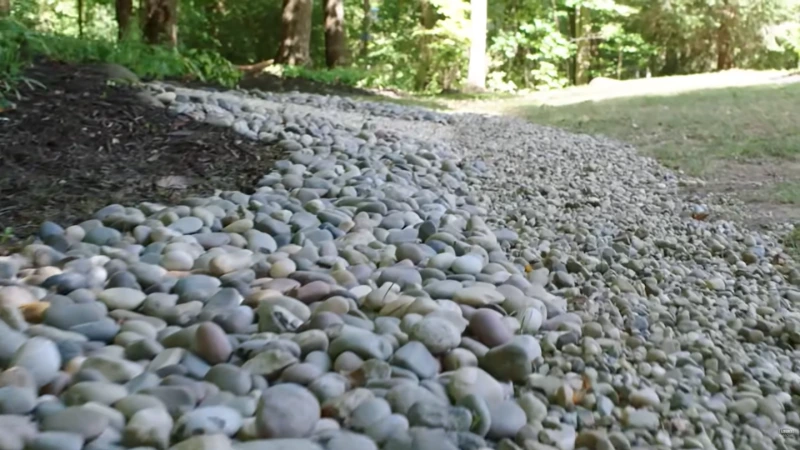
Wall-floor joint seepage after every heavy rain, sump pump running nonstop.
Reported
Recurring water at the wall base after heavy rain; sump pump running continuously during storms.
Diagnosis
Hydrostatic pressure pushing water through the wall-floor joint; original pump undersized for the load.
Solution
Full interior perimeter French drain and a new sump basin and pump, discharged to a yard low point.
Result
Seepage stopped; sump pump returned to normal, intermittent cycling during storms.
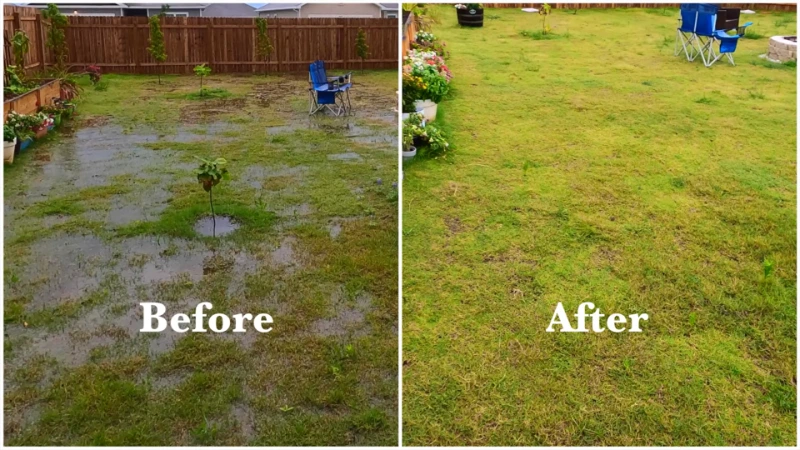
Visible efflorescence and wall seepage the homeowner didn’t want to fix from inside a finished basement.
Reported
Efflorescence and wall seepage on one side after sustained rain; basement finished and not to be disturbed.
Diagnosis
Exterior wall lacked a waterproofing membrane; groundwater pressure moving through the block.
Solution
Exterior excavation to the footing, waterproof membrane, and exterior French drain tied to existing discharge.
Result
Affected wall stayed dry through subsequent storms with zero interior demolition.
Three separate low spots stayed wet for days after rain and were killing sections of lawn.
Reported
Standing water in three yard areas for days after rain; no basement seepage.
Diagnosis
Flat lot grading with no subsurface outlet; downspouts discharging directly onto saturated clay.
Solution
Branched yard French drain tying all three areas into one discharge, plus two downspout extensions with pop-up emitters.
Result
Yard drains within hours of rain ending instead of staying soggy for days.
Why Cherry Hill Homeowners Work With Us

Joe Miller leads every on-site assessment personally, working directly with homeowners across Camden and Burlington Counties. Learn more about our team →
Focused Only on Drainage & Waterproofing
We don’t split attention across unrelated trades — years of hands-on experience with exactly this problem.
Honest Diagnosis Before Any Sale
We won’t recommend full exterior excavation if a simpler interior fix solves your problem — even if it means a smaller job.
South Jersey Soil & Drainage Expertise
We know the marl clay under Cherry Hill because we work in it regularly — that shapes every recommendation.
Straightforward, Written Pricing
Every estimate is written down before work starts. What we quote is what you pay — no hidden fees added mid-job.
Licensed, Insured & Permit-Handled
Registered New Jersey home improvement contractor. We pull required permits and handle township coordination.
Direct Access to Who Does the Work
Joe Miller assesses the job personally — you’re not talking to a call-center sales rep before ever meeting the crew.
Areas We Serve Near Cherry Hill
Cherry Hill, Voorhees & Haddonfield
Our core service area — the marl clay, flat-lot, aging-housing-stock conditions we assess and install for most often.
Marlton, Mount Laurel & Cinnaminson
Homes closer to the river in these areas can face higher water tables. We plan around that when designing a drainage solution.
Camden & Burlington County, Wider Area
We serve homeowners throughout the surrounding counties, offering the same inspection and repair process we use in Cherry Hill.
FAQs
For general basement waterproofing questions beyond French drains, see our full FAQ page.
Yes. Interior perimeter systems require removing a strip of wall finish (typically 18–24 inches) along the affected wall, but the rest of the finished space is undisturbed. We coordinate with you on whether we handle wall restoration or leave it for your finish carpenter.
Mature trees near a planned trench line are evaluated individually. Where possible, we route around root zones; where a trench must pass near a tree, we hand-excavate to limit root damage.
A single-area yard French drain typically takes a few days. A full interior or exterior basement perimeter system generally runs one to two weeks, depending on scope and site access.
Grading and drainage work may require a permit depending on the scope of land disturbance, and any tie-in to the municipal storm sewer requires separate township approval. We confirm the exact requirement during your assessment and handle the application on your behalf.
French drains manage basement and foundation seepage, redirect groundwater away from a home, dry out chronically wet yard areas, protect patios and driveways from soil movement, and reduce hydrostatic pressure against basement walls.
Who Do I Call for French Drain Installation Near Me in Cherry Hill?
Call (856) 652-8553 for a free, in-person assessment — we serve Cherry Hill and Camden County directly, with Joe Miller handling your inspection, quote, and installation.
Get Free Assessment
Licensed & insured · Serving Cherry Hill and Camden County
102 Browning Rd, Building B, Cherry Hill, NJ 08003
Prefer email? Visit our Contact page.
⚠ Placeholder form — not yet connected. Replace with your WordPress form plugin (Contact Form 7, WPForms, etc.) before publishing.